
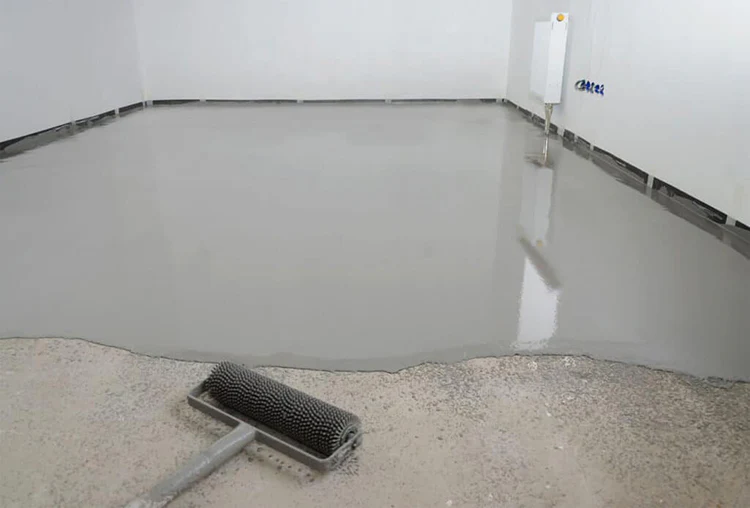
Concrete floors are the base of many residential, commercial, and industrial spaces. Whether you are installing tiles, vinyl or any other flooring system, the final result largely depends on one critical step: concrete floor preparation. When done correctly, it enhances floor strength, appearance, and lifespan. When ignored, it leads to cracks, uneven finishes, and early failures.
This blog explains how proper preparation improves overall floor performance and finish, while keeping the process simple and easy to understand.
Why Concrete Floor Preparation Matters
Concrete may look solid, but its surface condition can vary greatly. Dust, moisture, cracks, and uneven areas can prevent flooring materials from bonding properly. Concrete floor preparation ensures the surface is clean, stable, and ready to support the final finish.
Correct preparation helps to:
- Improve adhesion between concrete and flooring materials
- Prevent surface defects from showing through
- Increase durability and load-bearing capacity
- Achieve a smooth, professional finish
Skipping or rushing this step often results in costly repairs later.
Understanding Concrete Floor Surface Preparation
Concrete floor surface preparation focuses specifically on treating the top layer of the slab. This stage ensures the surface has the right texture and condition for flooring installation.
Key surface preparation steps include:
- Removing dust, oil, grease, and contaminants
- Grinding or shot blasting to open surface pores
- Repairing cracks and damaged areas
- Checking moisture levels before application
A properly prepared surface allows coatings, adhesives, and finishes to perform as intended.
Impact on Floor Performance
Stronger Bonding and Adhesion
One of the main benefits of concrete floor preparation is improved bonding. Clean and textured surfaces allow flooring systems to grip the concrete effectively. This reduces the chances of peeling, debonding, or hollow sounds underfoot.
Without proper surface preparation, even high-quality flooring materials may fail prematurely.
Improved Load and Wear Resistance
Prepared concrete floors distribute weight more evenly. This is especially important in commercial and industrial environments where heavy equipment or high foot traffic is common.
Correct preparation:
- Reduces surface stress points
- Minimizes wear and tear
- Enhances long-term structural performance
This results in floors that maintain their integrity for years.
Role of Floor Leveling in Final Results
Why Level Floors Matter
Uneven concrete surfaces can affect both performance and appearance. Slopes, dips, or rough patches can lead to installation issues and visible defects in the finished floor.
Using a floor leveling compound helps correct surface irregularities and creates a uniform base. This step is essential before installing thin or decorative flooring systems.
Benefits of Proper Leveling
When leveling is done correctly:
- Flooring materials sit evenly
- Stress on adhesives is reduced
- Finished floors look smoother and more professional
Level surfaces also make maintenance easier and improve user comfort.
Repairing Surface Defects for Better Finish
Cracks, holes, and damaged spots must be repaired before flooring installation. These imperfections, if left untreated, often reflect through the final surface or expand over time.
In some cases, a floor patching compound is applied during repairs to address minor defects and localized damage. Using it sparingly and correctly helps restore surface continuity without affecting overall performance.
This repair stage plays a major role in achieving a clean, seamless finish.
How Preparation Enhances Floor Finish Quality
Smooth and Consistent Appearance
A well-prepared concrete surface results in a uniform finish. There are fewer visible imperfections, color variations, or surface waves. This is especially important for polished concrete, epoxy coatings, and vinyl flooring.
Correct concrete floor surface preparation ensures:
- Even texture across the floor
- Consistent absorption of coatings or adhesives
- Professional visual appeal
Long-Lasting Aesthetic Results
When the base is stable, the finish lasts longer. Proper preparation reduces:
- Peeling and blistering
- Surface cracks reappearing
- Premature discoloration
This means the floor continues to look good even under daily use.
Moisture Control and Floor Stability
Moisture is one of the most common causes of floor failure. During concrete floor preparation, moisture levels are assessed and managed to prevent future issues.
Benefits of moisture-aware preparation include:
- Reduced risk of mold or bubbling
- Improved adhesive performance
- Enhanced indoor air quality
Ignoring moisture can compromise both performance and finish, regardless of material quality.
Long-Term Cost and Maintenance Benefits
Although preparation requires time and planning, it reduces long-term costs. Floors installed on well-prepared concrete need fewer repairs and less frequent replacement.
Proper preparation leads to:
- Lower maintenance expenses
- Fewer disruptions due to floor failures
- Better return on investment
In the long run, it protects both the flooring system and the structure beneath.
Final Thoughts
Correct concrete floor preparation is not just a technical step it is the foundation of floor performance and finish. From concrete floor surface preparation to leveling and repairing defects, each stage plays a vital role in ensuring durability, stability, and visual appeal.
When preparation is done thoroughly and thoughtfully, floors perform better, last longer, and look more professional. Whether for residential, commercial, or industrial spaces, investing in the right preparation process ensures results that meet both functional and aesthetic expectations.
Frequently Asked Questions
What is concrete floor preparation?
Concrete floor preparation is the process of cleaning, repairing, and treating the concrete surface to ensure proper bonding, durability, and a smooth finish before installing flooring materials.
What happens if floor preparation is skipped?
Skipping preparation can cause poor bonding, cracks, uneven finishes, moisture issues, and early floor failure, often leading to expensive repairs or complete flooring replacement.
How long does concrete floor preparation take?
The duration depends on floor condition, area size, and preparation methods, but it usually takes from several hours to a few days for proper surface readiness.
How do you fix uneven concrete floors?
Uneven concrete floors are corrected using appropriate leveling methods to fill dips and smooth high spots, creating a flat and stable base for flooring installation.
Can cracks be repaired before flooring?
Yes, cracks should always be repaired before flooring installation to prevent movement, surface reflection, and long-term damage to the finished floor.
What materials are used for floor repairs?
Specialized repair materials are used to fill cracks, holes, and damaged areas, restoring surface strength and continuity without compromising overall floor performance.
Is concrete preparation needed for all flooring types?
Yes, most flooring systems require concrete preparation to ensure compatibility, proper adhesion, and long-term performance, regardless of the flooring material used.
Can old concrete floors be prepared again?
Old concrete floors can be re-prepared by cleaning, repairing damage, and treating the surface, making them suitable for new flooring installations.
Is professional floor preparation necessary?
Professional preparation ensures correct techniques, proper tools, and long-lasting results, especially for large, commercial, or high-performance flooring applications.