
The Growing Importance of Sustainable Materials
Modern construction significantly contributes to energy consumption, waste, and emissions. Using eco-friendly building materials helps reduce these impacts while providing lasting benefits. Beyond environmental advantages, these materials enhance safety by minimizing exposure to harmful chemicals and promoting healthier indoor environments. Thoughtful material selection ensures structures remain durable, functional, and environmentally responsible for decades. In Singapore’s urban landscape where sustainability standards are increasingly prioritized, integrating green materials into design and construction has become essential for meeting both regulatory and environmental goals.Core Materials for Strong and Resilient Buildings
High-quality materials are essential for creating safe, sustainable structures. Key options include:- Low-VOC adhesives and sealants: Reduce harmful emissions and improve indoor air quality.
- Cementitious floor preparation systems: Floor leveling compounds create stable, even surfaces while often incorporating recycled fillers to minimize environmental impact.
- Recycled or reclaimed aggregates: Reduce reliance on newly extracted resources and support circular construction practices.
- Rapid-curing compounds: Save time, minimize waste, and improve project efficiency.
- Moisture-resistant primers and coatings: Protect surfaces, reduce risk of structural issues, and enhance durability.
Enhancing Safety and Longevity
The foundation of a long-lasting building begins with proper material selection. Uneven surfaces, moisture issues, or low-quality products can compromise structural integrity. High-quality eco-friendly building materials enhance both safety and durability, creating structures that withstand environmental stresses and daily use. Sustainable materials also support healthier indoor environments, with lower emissions and reduced exposure to harmful substances. Buildings constructed with durable, eco-conscious materials require less maintenance over time, reducing waste and supporting greener construction practices.The Role of Specialized Materials
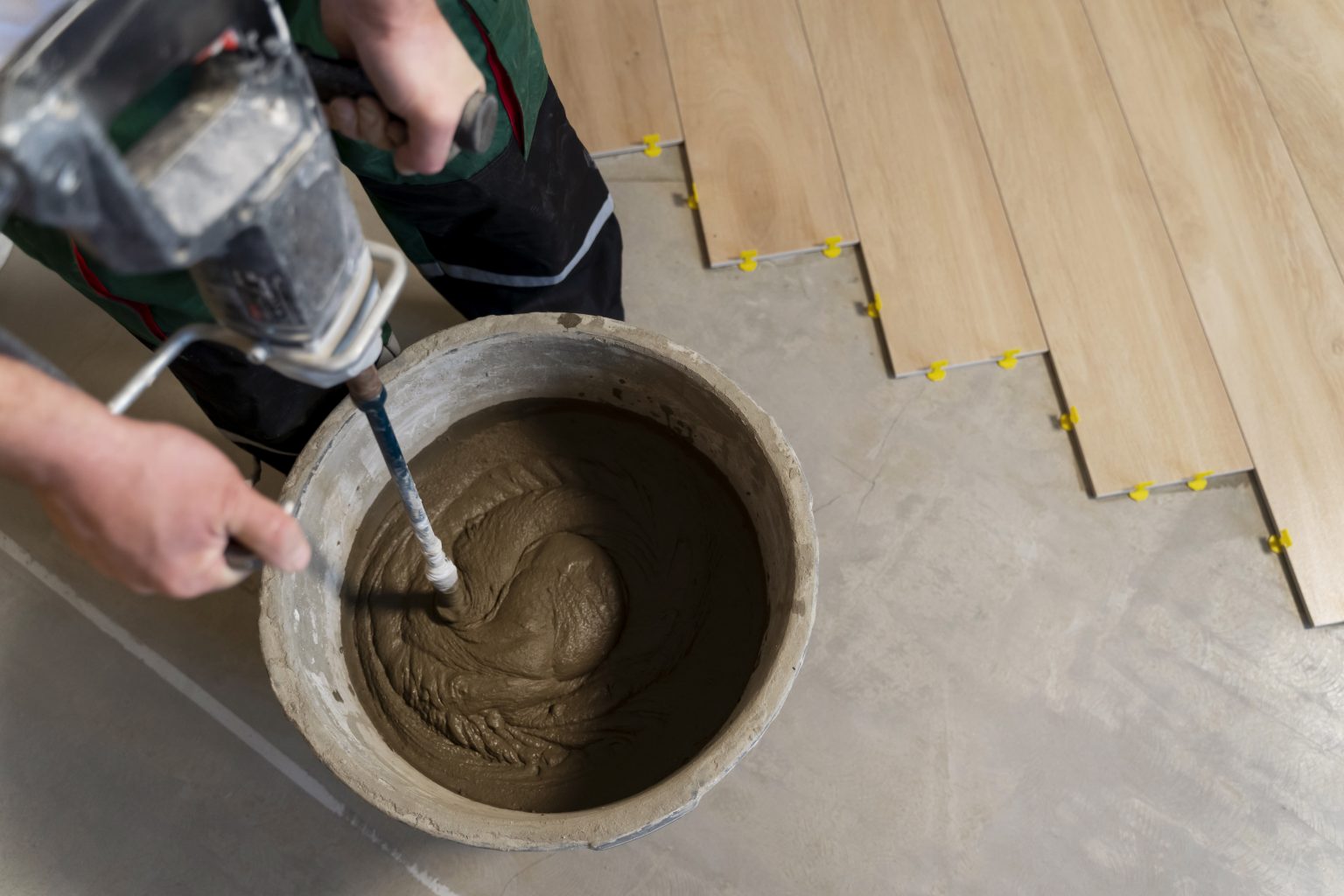
While general sustainable materials provide the foundation for eco-conscious construction, specialized products such as construction adhesives and floor leveling compounds play a critical role in performance. A strong adhesive ensures finishes like tiles, vinyl, or wood remain securely bonded over time, while a properly formulated leveling compound corrects uneven surfaces to create a stable base for flooring or other finishes. Integrating these materials responsibly reduces waste, minimizes repair needs, and ensures structures maintain their strength and functionality over the long term.Partnering with Trusted Suppliers: Cemimax Asia
Working with reputable suppliers ensures access to products that meet both performance and environmental standards. High-quality suppliers provide materials with low emissions, verified certifications, and technical guidance for proper installation. Choosing reliable products reduces maintenance issues, extends lifespan, and supports eco-friendly building practices. Cemimax Asia in Singapore offers a range of sustainable construction products, including floor leveling compounds and construction adhesives, designed for durability and low environmental impact. We focus on eco-friendly manufacturing, low-emission formulations, and quality standards, making them a strong partner for builders seeking both performance and sustainability in modern construction projects.Best Practices for Sustainable Construction
To maximize the benefits of eco-friendly materials, consider these practical strategies:- Ensure surfaces are clean, dry, and properly prepared before applying compounds or adhesives to reduce waste.
- Match products to the building type, usage intensity, and environmental conditions for optimal performance.
- Use certified materials with low emissions and documented sustainability credentials.
- Follow manufacturer installation guidelines carefully to ensure durability.
- Evaluate lifecycle costs: investing in high-quality, eco-friendly materials may have a higher upfront cost but reduces maintenance and replacement needs over time.
Conclusion
The construction industry is increasingly embracing eco-friendly building materials to create safer, stronger, and more sustainable structures. Combining general sustainable products with specialized materials like construction adhesives and floor leveling compounds ensures long-term performance, improved safety, and reduced environmental impact. Partnering with Cemimax Asia further supports sustainability goals by providing durable products with low emissions and strong technical support. Thoughtful material selection, responsible construction practices, and quality products lay the foundation for resilient, safe, and environmentally friendly buildings that stand the test of time.Frequently Asked Questions
What are eco-friendly building materials?
Eco-friendly building materials are products designed to minimize environmental impact through sustainable sourcing, low emissions, recyclability, and energy-efficient production processes.
Why is sustainability important in construction?
Sustainability reduces waste, conserves resources, lowers carbon emissions, and enhances long-term building performance and occupant health.
What are some examples of eco-friendly materials used in construction?
Examples include low-VOC adhesives and sealants, recycled aggregates, moisture-resistant coatings, and cementitious floor preparation systems.
How do low-VOC adhesives improve indoor air quality?
Low-VOC adhesives emit fewer volatile organic compounds, reducing indoor pollution and improving air quality for a healthier environment.
How do recycled aggregates support sustainability?
They reduce the need for newly extracted raw materials and support circular construction by reusing existing resources.
How do eco-friendly materials contribute to long-term durability?
Sustainable materials are designed for strength, weather resistance, and reduced maintenance, ensuring longer structural life.
Why should builders in Singapore prioritize green building materials?
Singapore’s sustainability standards and BCA Green Mark initiatives encourage the use of low-emission, energy-efficient, and recyclable materials for compliance and environmental responsibility.
What are the advantages of using high-quality construction adhesives?
They ensure lasting bonds for flooring and finishes, reducing detachment issues and maintenance costs over time.
Are eco-friendly materials more expensive?
Initial costs may be slightly higher, but they save money in the long run through reduced maintenance, energy savings, and longer lifespan.